How to Prepare a Room Before Removing Moldy Carpet
Why Preparation Matters Before Carpet Removal
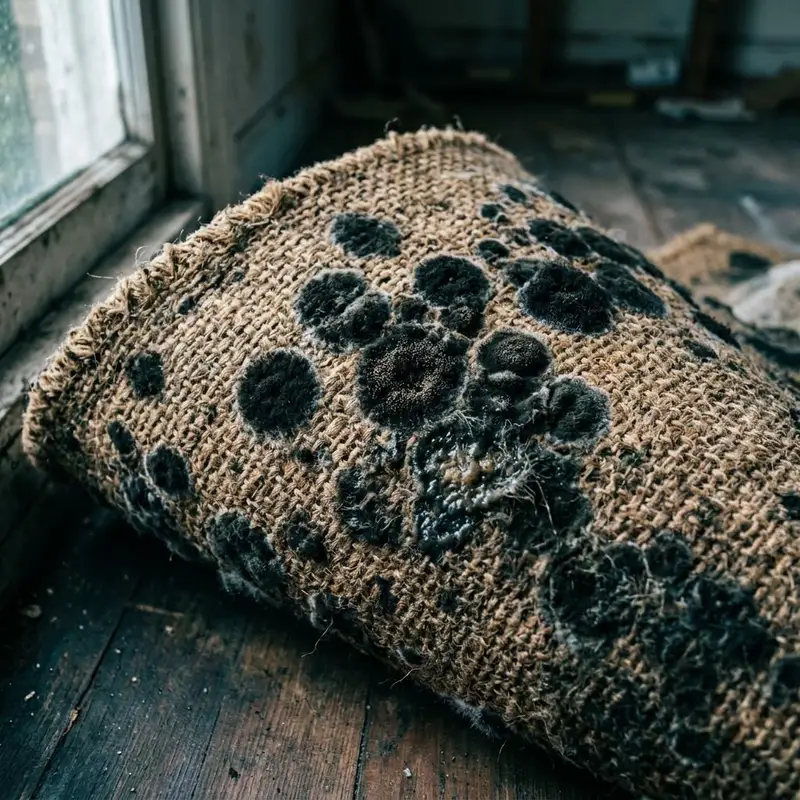
Removing carpet that has been damaged by moisture and mold is not a simple tear-out job. Mold spores are microscopic, and the moment you disturb contaminated material, those spores become airborne. They can travel through your home, settle in new areas, and start new colonies. That is why preparing the room before you begin is just as important as the removal itself. A well-planned setup protects your indoor air quality, reduces cross-contamination, and makes the work go more smoothly.
Clear the Room Completely
Remove all furniture, rugs, curtains, and decor from the room. Anything left inside will collect dust and mold spores during the work. Fabric items like upholstered chairs and drapes are especially absorbent. Once contaminated, they may need professional cleaning or disposal. Even hard surfaces like tables and lamps can trap spores in crevices. Take everything out if you can. If something is too heavy to move, cover it with thick plastic sheeting and seal the edges with tape. Carpet Mold Removal Services Pros
Shut Down HVAC and Seal Vents
Your heating and cooling system can pull mold spores out of the work area and spread them throughout the house. Before you start, turn off the HVAC system at the thermostat and the breaker if possible. Cover all supply and return vents in the room with plastic sheeting and tape. This includes floor registers, wall vents, and ceiling diffusers. Even a small gap can allow spores to circulate. For the same reason, close windows in the room and seal the gaps around them if they are drafty.
Isolate the Work Area
Containment is the core of safe mold remediation. You need to separate the room from the rest of the home. Hang heavy-duty plastic sheeting over the doorway, sealing it on all sides with tape. Make a slit for entry and seal it with overlapping flaps. Ideally, set up a negative air pressure system by placing a window exhaust fan in a nearby window, pulling air out of the room so any airborne particles are drawn outside rather than into adjacent spaces. If that is not possible, keep the plastic barrier closed except when entering or exiting.
Wear the Right Personal Protective Equipment
Mold is a respiratory irritant and can cause allergic reactions, headaches, and more serious health problems with prolonged exposure. At a minimum, wear an N95 respirator. For larger areas or heavy contamination, upgrade to a half-face or full-face respirator with P100 filters. Also wear disposable coveralls, gloves, and safety goggles. Do not rely on a dust mask; it will not stop mold spores. Change your clothes after the work and wash them separately from other laundry.
Prepare for Dust and Debris
Carpet removal creates dust, even when the carpet is not visibly moldy. Lay down plastic sheeting on the floor outside the room to catch anything that escapes. Have heavy-duty trash bags on hand for the carpet and padding. Use bags rated for construction debris so they do not tear. Also keep a wet-dry vacuum with a HEPA filter nearby. Standard vacuum cleaners will blow fine particles back into the air. A HEPA vacuum captures those particles and keeps the area cleaner.
Inspect for Hidden Moisture
Before you tear out the carpet, check the subfloor and baseboards for signs of moisture. Use a moisture meter if you have one, or press a plastic sheet against the floor and check for condensation after 24 hours. Mold often grows in areas that stay damp, such as near plumbing leaks, exterior walls, or concrete slabs. Knowing where the moisture is coming from helps you address the root cause after the carpet is gone. If you find standing water or soaked underlayment, you may need to dry the area before removal to reduce the amount of airborne moisture.
Have a Waste Disposal Plan
Moldy carpet and padding are considered contaminated waste in many areas. Check your local regulations for disposal. Some municipalities require it to be double-bagged and taken to a specific facility. Do not throw it in your regular trash bin unless you are certain it is allowed. Transport it in a covered trailer or truck bed, not in the cab of your vehicle. Spores can shake loose during transit and contaminate the inside of your car.
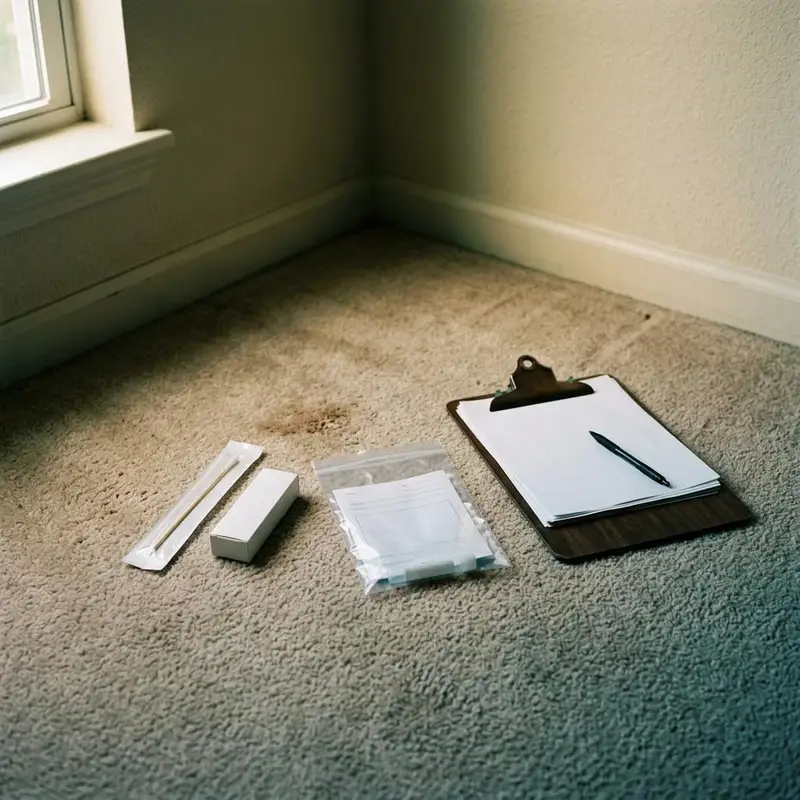
Following these steps carefully will reduce your exposure and prevent the mold from spreading to other parts of your home. The same thorough approach is what professionals follow when they handle mold remediation. In fact, Carpet Mold Removal Services Pros follow a similar containment and protection protocol on every job, ensuring that the work is done safely and that the indoor environment is protected.
What to Do After the Carpet Is Out
Once the carpet and padding are removed, the real work begins. The subfloor and walls need to be inspected, dried, and treated. If the concrete or plywood subfloor is still damp, you may need industrial fans and dehumidifiers running for days. Any remaining mold on the subfloor should be cleaned with a HEPA vacuum followed by a mold-killing solution. Do not paint or install new flooring until the area is completely dry and free of mold growth.
This is also the time to address the source of the moisture. Whether it is a plumbing leak, poor drainage, high humidity, or a foundation crack, the problem must be fixed or the mold will return. A professional inspection can identify hidden issues that are easy to miss. Carpet Mold Removal Services Pros offer assessments that go beyond surface checks, using tools like moisture meters and thermal imaging to find damp spots behind walls and under floors.
Common Mistakes to Avoid
- Starting removal without turning off the HVAC system. This spreads spores through the ductwork.
- Using a regular vacuum to clean up afterward. It will blow fine particles back into the air.
- Not wearing a respirator. Even a small mold exposure can trigger allergies or asthma.
- Leaving the room open to the rest of the house. Without containment, spores travel freely.
- Throwing moldy carpet in a regular trash bag that breaks open easily.
When to Call a Professional
If the mold covers more than about ten square feet, or if you have health concerns such as asthma or a weakened immune system, consider hiring a remediation service. Large areas of mold growth indicate a significant moisture problem that often requires specialized drying equipment and structural repairs. Professionals have the tools, training, and disposal methods to handle the job safely. They can also test the air quality before and after the work to confirm the mold has been removed.
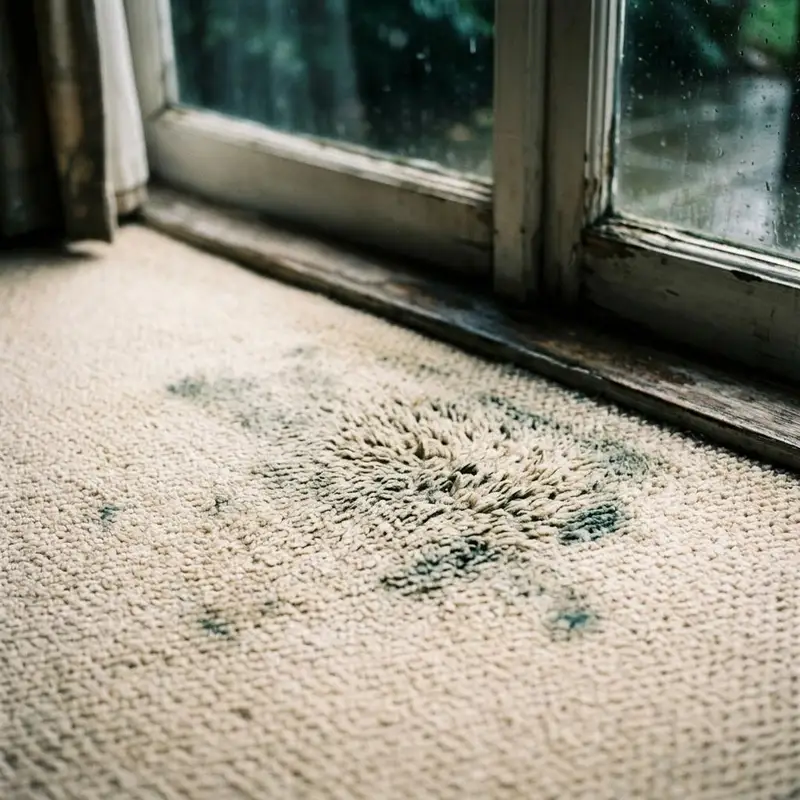
Removing moldy carpet is not just about pulling up old flooring. It is about protecting your home and your health. A careful, step-by-step approach to preparing the room makes the difference between a clean result and a problem that spreads. By isolating the area, wearing the right gear, and planning your waste disposal, you set yourself up for a successful remediation. And if the job feels too big, there are experts who can step in and handle it from start to finish.